

Event coordination is the strategic planning, organization, and execution of gatherings, from intimate workshops to large-scale public celebrations, ensuring every detail works together to create a memorable experience for attendees. It brings together logistics like venue booking, vendor management, scheduling, and on-site troubleshooting so that hosts can focus on their guests and their vision becomes reality.
In a city like Ottawa, where festivals, cultural events, and community celebrations shape the rhythm of the year, skilled coordinators are the ones who make the magic happen behind the scenes. They transform a blank calendar date into Winterlude’s ice sculptures, a bustling food festival along Sparks Street, or a flawless corporate gala at the National Arts Centre. Without their work, the events that bring our community together would struggle to get off the ground.
Event coordination matters because it takes the stress and complexity out of hosting. Whether you’re a nonprofit planning a fundraiser, a couple organizing a wedding, or a business launching a product, the difference between a smooth, engaging event and a chaotic one often comes down to having someone who knows how to manage timelines, anticipate problems, and keep everyone on the same page.
One local event planner put it this way: “People remember how an event made them feel. My job is to handle the hundred things that could go wrong so they only remember the joy.”
This guide breaks down what event coordinators actually do, the types of events they manage, and how the process works from first brainstorm to final cleanup. You’ll get a clear picture of the role and why it’s essential to Ottawa’s vibrant event landscape.
What Event Coordination Really Means
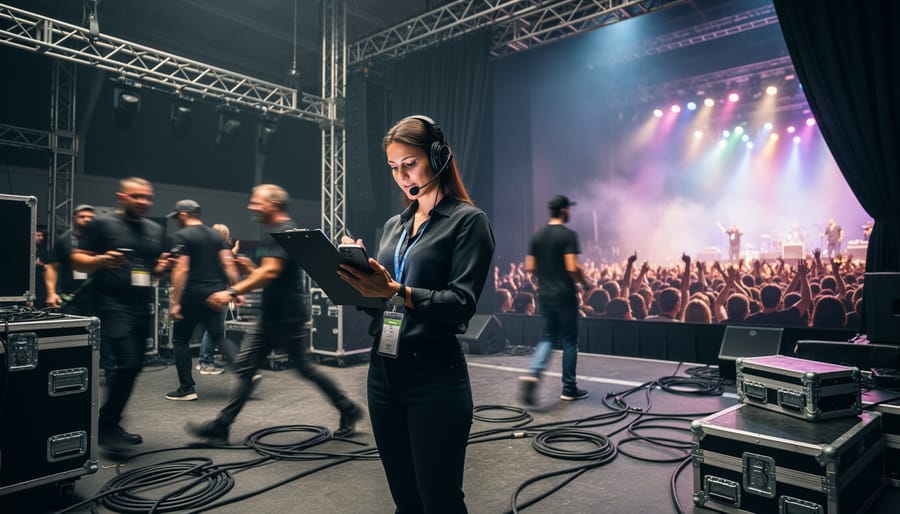
At its core, event coordination is the art of orchestrating all the behind-the-scenes details that transform an idea into a living, breathing experience. A coordinator doesn’t just plan, they connect every dot, from securing permits with city officials to briefing volunteers on crowd management, booking food trucks, scheduling performers, and making sure the portable toilets actually arrive on time. Think of them as the central nervous system of any festival or gathering, the person who keeps everyone informed, on schedule, and working toward the same goal.
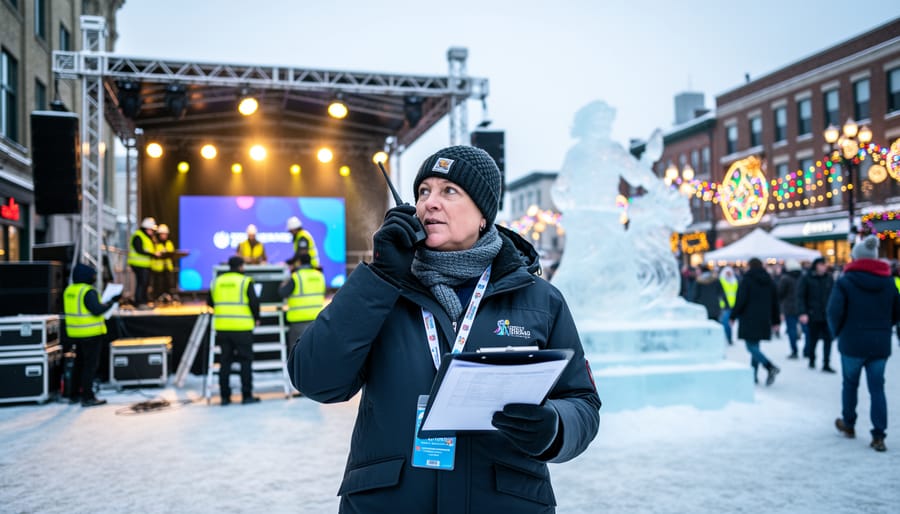
In Ottawa, this role comes alive during events like Winterlude, where coordinators juggle ice sculpture installations, skating rink schedules, heated tents, hot chocolate vendors, and entertainment on multiple stages across the city. They’re the ones troubleshooting when a vendor runs late, rerouting foot traffic when a performance draws a bigger crowd than expected, or calming nerves when unexpected freezing rain threatens setup plans. Every seamless moment an attendee enjoys, finding clear signage, grabbing a warm beavertail without a long wait, catching a street performance at just the right time, has a coordinator’s fingerprints all over it.
The work involves many specialized roles, often distributed across a team:
- Event Coordinator
- The central point person who oversees the entire event timeline, manages budgets, and ensures all teams communicate effectively.
- Venue Liaison
- Handles relationships with city parks, community centres, or private spaces, securing permits and ensuring compliance with venue rules.
- Volunteer Manager
- Recruits, trains, and schedules volunteers, making sure everyone knows their role and feels supported on event day.
- Logistics Lead
- Coordinates the physical setup, tables, stages, tents, signage, power sources, and manages delivery schedules and equipment rentals.
Good coordination means attendees never see the chaos, only the magic. That’s the goal: a festival that feels effortless because someone made sure nothing was left to chance.
How Event Coordination Works from Start to Finish
Planning and Vision
Every successful Ottawa festival begins months before the first tent goes up. In the planning phase, coordinators map out the event’s purpose, whether it’s celebrating Canadian heritage, showcasing local artists, or bringing families together for winter fun. They set clear goals: expected attendance, budget targets, and the experience they want visitors to remember.
Budgeting comes next, balancing vendor costs, permits, insurance, equipment rentals, and marketing against projected revenue from sponsorships, grants, and ticket sales. Ottawa coordinators know to factor in contingencies, a sudden rainstorm can mean renting extra shelter, and cold snaps require backup heating plans.
Venue booking demands careful timing. Popular spots like Major’s Hill Park or ByWard Market fill up a year in advance for summer events. Coordinators negotiate dates, layout restrictions, and access times with city officials and property managers.
Then comes team assembly. Coordinators recruit volunteers, hire security, book entertainment, and confirm catering partners. “The planning stage is where you build relationships that make or break event day,” says Marie Chen, who coordinates seasonal markets in the Glebe. “I spend January lining up vendors I trust, because when it’s minus-fifteen in December, I need people who’ll show up and deliver.”
Logistics and On-the-Ground Setup
This is where event coordination gets real. Once the vision and vendors are locked in, coordinators shift to the paperwork, permissions, and practical details that turn a plan into a functioning event space.
In Ottawa, securing city permits is non-negotiable, whether you’re activating Major’s Hill Park or closing down a section of Sparks Street. Coordinators navigate applications for park use, noise exemptions, liquor licenses, and road closures, often months in advance. They liaise with bylaw officers, police, and transit authorities to ensure everything checks out before the first tent goes up.
Weather looms large in every setup decision. Summer coordinators build in backup plans for sudden thunderstorms, while winter events demand heated tents, snow removal schedules, and ice management. Setup timelines shift with the seasons, crews work faster in brutal February cold, and July heat dictates early-morning load-ins to protect volunteers and equipment.
Vendor and volunteer briefings happen days before the event. Coordinators walk vendors through load-in routes, power access, and waste protocols. Volunteers receive shift schedules, emergency contacts, and role-specific instructions. Everyone gets the same message: know your task, know your backup, and know who to radio when things go sideways.
By setup day, every detail has a checklist.
Event Day Execution
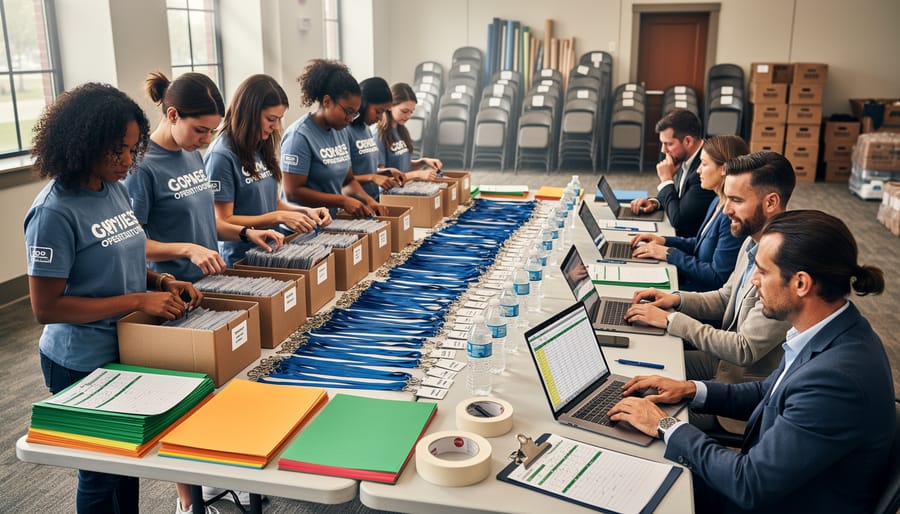
The day arrives, and coordinators shift from planners to orchestrators. You’ll find them with headsets and clipboards, moving between vendor tents and volunteer stations, constantly checking timelines against reality. They’re solving the mini-crises no one else sees, a late food truck, a sound system hiccup, a volunteer who didn’t show.
On a typical Ottawa festival morning, coordinators arrive hours before gates open. They walk the site confirming every setup: Is the stage ready? Are accessibility routes clear? Do volunteers at each entrance know the parking directions visitors will ask about? They run a final briefing, distribute radios, and make sure everyone has emergency contacts. Once crowds arrive, coordinators become the calm center, fielding questions, adjusting schedules when weather threatens, and keeping a dozen moving parts synchronized so attendees experience only the joy, never the chaos.
Different Types of Event Coordination
Event coordination isn’t one-size-fits-all. The approach shifts dramatically depending on the scale, audience, and goals of what you’re organizing. In Ottawa, coordinators juggle everything from massive multi-day festivals drawing international crowds to intimate neighbourhood gatherings that bring a single street together for an afternoon.
Ottawa festival season showcases this diversity throughout the year. Large-scale festivals, think Winterlude or the Canadian Tulip Festival, require teams of coordinators managing hundreds of vendors, multiple stages, security protocols, and crowd flow across vast public spaces. These events might draw 600,000 visitors over several weeks, demanding months of advance planning and coordination with municipal departments, national partners, and corporate sponsors.
Seasonal markets operate on a different rhythm. Holiday markets in ByWard or Lansdowne need coordinators who can handle vendor applications, booth assignments, and weather contingencies while maintaining the festive atmosphere that keeps shoppers coming back. The logistics look simpler than a major festival, but the seasonal time crunch, setting up, running, and dismantling within tight holiday windows, creates its own coordination challenges.
Common event types you’ll see coordinated across the capital include:
- Large-scale festivals with multiple venues, stages, and entertainment streams spanning several days
- Seasonal markets and holiday celebrations concentrated in a few weeks with rotating vendor schedules
- Cultural heritage events highlighting specific communities, often involving traditional performances and specialized food preparation
- Tourist attraction events designed to draw visitors during shoulder seasons or showcase capital landmarks
- Volunteer-driven community fairs and block parties organized by residents with limited budgets but strong local connections
Cultural fairs celebrating Ottawa’s diverse communities, whether Irish, Italian, Caribbean, or Indigenous, blend coordination of traditional performances, authentic cuisine, and educational components. Coordinators work closely with cultural organizations to ensure respectful representation while managing the practical realities of permits and liability insurance.
Tourist-focused events often tie into capital attractions or seasonal highlights, coordinating experiences that give visitors reasons to extend their stay. Community gatherings might be smaller, but they’re no less important, a coordinator helping a neighbourhood association run their annual picnic still handles permits, insurance, volunteer scheduling, and contingency plans, just at a more intimate scale.
Where Event Coordination Makes the Biggest Impact

Event coordination matters most where people come together. In Ottawa, well-run festivals and cultural celebrations do far more than fill a weekend schedule, they strengthen the fabric of the community, bringing neighbors and strangers alike into shared spaces where connections happen naturally. When coordinators create welcoming, accessible experiences, they turn passive spectators into engaged participants who feel part of something larger than themselves.
The economic ripple effect is substantial. A single well-coordinated festival weekend sends foot traffic to restaurants, hotels, transit services, and shops throughout the city. Local vendors gain visibility, artisans find new customers, and tourism dollars circulate through neighborhoods that might otherwise see only commuter traffic. Ottawa Event Coordination advocates for these opportunities, knowing that coordinated events become economic catalysts that support livelihoods and fund future cultural programming.
Culturally, coordinated events shine a spotlight on the city’s diversity. From heritage celebrations that honor Indigenous traditions to international food festivals representing dozens of countries, these gatherings educate and inspire. Tourists discover Ottawa beyond the monuments, while residents encounter new art forms, cuisines, and perspectives right in their own city. The best coordinators understand that virtual and in-person events can extend this cultural reach even further, making participation possible regardless of mobility, location, or schedule.
Most importantly, coordinated events create memories. A family’s first powwow, a couple’s evening at an outdoor concert, a child’s wonder at a lantern festival, these moments stick. They shape how people see their city and how visitors remember their trip. That lasting impression is the real measure of coordination done right.
Who Does the Coordinating? Meet the Team
Event coordination in Ottawa is a team effort that brings together a diverse mix of people who share a passion for creating vibrant community experiences. At the centre, professional event coordinators lead the charge, these are the seasoned planners who juggle budgets, timelines, vendor contracts, and permit applications with equal parts precision and creativity. But they don’t work alone.
Volunteers form the backbone of most festivals and celebrations. From staffing information booths and guiding visitors to managing registration tables and supporting accessibility services, volunteers inject energy and local knowledge into every event. Municipal partners play a critical role too, helping coordinators navigate permits, access public spaces, and coordinate with city services like transit and waste management.
Community stakeholders, local businesses, cultural organizations, sponsors, and neighbourhood groups, round out the team. Their involvement ensures events reflect the city’s identity and serve residents authentically. For those curious about joining the effort, many Ottawa events welcome new volunteers with open arms and offer training sessions, sometimes even hosting an advocacy workshop to empower participants to champion causes they care about. Whether you have hours to spare on event day or want to contribute skills in marketing, logistics, or outreach, there’s a place for you behind the scenes.
Common Questions About Event Coordination
Plenty of people are curious about event coordination but aren’t sure where to start or what it really involves. Here are answers to the questions we hear most often from residents, aspiring volunteers, and organizers across Ottawa.
Do I need experience to volunteer at Ottawa events?
No prior experience is necessary for most volunteer roles. Coordinators provide training and match you with tasks that fit your comfort level, whether that’s greeting attendees, managing information booths, or supporting setup crews.
How far in advance do events get planned?
Major festivals typically require six to twelve months of planning, though smaller community gatherings might come together in just a few weeks. Ottawa’s seasonal events often begin coordination right after the previous year’s wrap-up.
What permits are required to host an event in Ottawa?
Requirements vary based on location and scope, but most public events need special event permits from the city, noise permits for amplified sound, and potentially liquor licenses or road closure approvals. Coordinators handle this paperwork as part of the early planning phase.
How does Ottawa’s weather affect outdoor festival planning?
Weather is always a wild card. Coordinators build contingency plans for rain, extreme heat, or cold snaps, think tent rentals, backup indoor spaces, and flexible schedules that can shift if conditions turn severe.
If you’re considering getting involved, start by attending local events and observing how teams work together. Many coordinators welcome newcomers who bring fresh energy and a willingness to learn. You don’t need specialized credentials, just enthusiasm and a desire to move your community to action through shared cultural experiences. Reach out to organizers directly or check volunteer sign-up pages for upcoming festivals to find your entry point into this rewarding field.
Event coordination is what transforms a great idea into an unforgettable experience. Without the dedicated coordinators, volunteers, and community partners working behind the scenes, Ottawa’s festivals and cultural celebrations simply wouldn’t happen. Every food vendor serving poutine at a summer fair, every stage hosting live music, every smooth-running activity for kids, someone planned it, scheduled it, and made sure it came together.
Next time you attend a festival in the capital, take a moment to notice the coordination at work. The volunteers guiding you to your seat. The seamless transitions between performances. The clean facilities and accessible pathways. That’s event coordination in action, and it deserves our appreciation.
Whether you’re a longtime resident or visiting Ottawa for the first time, there’s a place for you in this vibrant community. Attend an upcoming event, spread the word about festivals that matter to you, or consider volunteering. Ottawa’s event scene thrives because people show up, not just as attendees, but as active participants who believe in the power of shared experiences.
Your city is waiting. Come be part of what makes Ottawa special.