
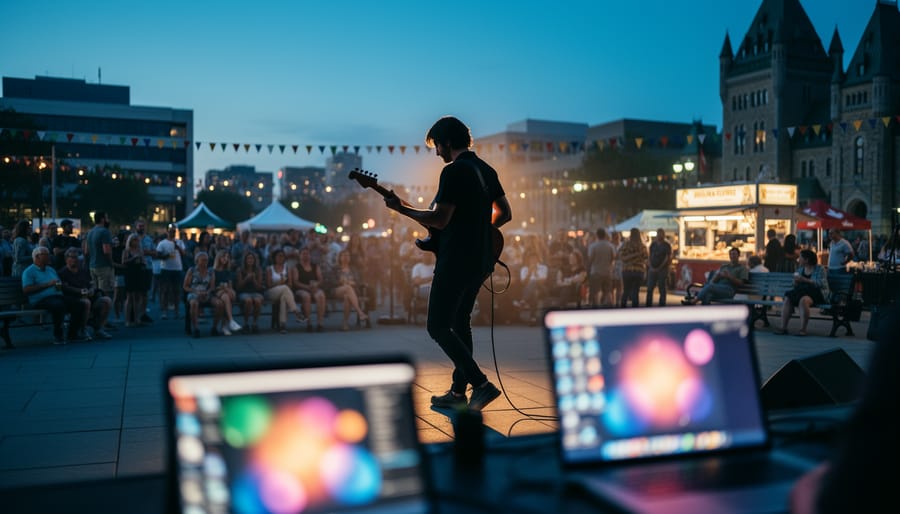

Ottawa’s virtual music and arts festivals stretch across the calendar from late spring through late fall, with the prime festival season running June through November. Most events publish their dates six to twelve months in advance, meaning you’ll need to check official channels in late winter or early spring to lock in your participation for the summer and fall lineup.
Timing your involvement depends on whether you’re attending as a fan, applying as an artist, or simply catching free public installations. For 2026, the season kicks off with Escapade Festival from June 26-28, followed by Cloud 9 Electronic Music & Eco-Art Festival on September 11, and wraps with INDIE WEEK running November 12-14. The month-long SoundScape stretches from August 27 through September 26, offering the longest window for virtual engagement.
Artist applications close months before the events themselves. INDIE WEEK accepted submissions until July 31 for its November dates, a typical four-month lead time that’s standard across the festival circuit. If you’re planning to perform or exhibit rather than attend, mark your calendar for application deadlines in spring and early summer.
Festival schedules shift based on venue availability, weather considerations for outdoor components, and coordination with other major events in the capital. Some installations, like the Infinite Sunshine display under the Plaza Bridge during SoundScape, run on limited evening hours (5 PM to 8 PM) and aren’t available every day of the festival window. Virtual components offer more flexibility, but live-streamed performances still follow set schedules you’ll want to plan around.
Quick Answer: Peak Times for Ottawa Virtual Festivals
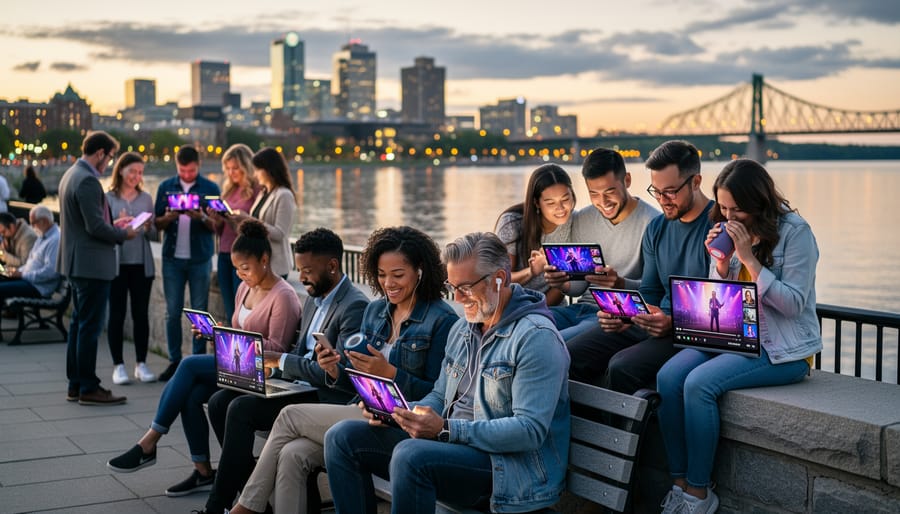
Ottawa’s virtual music and arts festivals cluster heavily in late summer and early fall, with September standing out as the peak month for digital cultural experiences. The busiest window runs from late August through mid-November, when major events like SoundScape (August 27, September 26, 2026), Cloud 9 Electronic Music & Eco-Art Festival (September 11), and INDIE WEEK (November 12-14) fill the calendar with streaming performances, virtual galleries, and hybrid experiences.
Unlike traditional in-person gatherings limited to warm weather, virtual festivals extend access beyond seasonal constraints. While summer events like Escapade Festival (June 26-28, 2026) kick off the season, the fall months deliver the richest concentration of virtual programming. This pattern reflects Ottawa’s cultural calendar, where organizers coordinate digital components to complement outdoor installations and live performances, then maintain year-round engagement through recorded content and standalone virtual events during winter and spring months.
2026 Virtual Festival Calendar: Key Timing Windows
Summer Festival Season (June, August)
Summer’s arrival brings Ottawa’s virtual festival season into full swing, anchored by two significant events that set the tone for months of digital cultural programming. Escapade Music Festival kicks off the season from June 26-28, 2026, offering one of the capital’s largest electronic music gatherings. While traditionally an in-person event at TD Place, Escapade has incorporated streaming elements in recent years, letting audiences beyond Ottawa experience the multi-stage production through virtual access passes. Check the Escapade Music Festival dates and ticketing information as virtual options are typically announced closer to the event.
Late summer shifts focus to SoundScape, which launches August 27 and continues through September 26. This month-long festival merges outdoor installations with digital engagement, creating hybrid experiences accessible to both local attendees and remote participants. The event’s phased rollout means you can join at any point during its run rather than committing to a single weekend. Virtual components include artist features, behind-the-scenes content, and interactive elements tied to physical installations like Infinite Sunshine under the Plaza Bridge. Reservations through the festival’s ticketing system secure your access to both live and recorded programming throughout the duration.
Fall Peak Season (September, November)
Fall marks the busiest stretch for virtual music and arts festivals in Ottawa, giving you multiple opportunities to experience the city’s creative energy from anywhere. This window runs from early September through mid-November, with three major events anchoring the season.
SoundScape dominates the early fall calendar, continuing its month-long run that launched in late August. The festival extends through September 26, 2026, offering nearly a month of immersive audio-visual experiences. Key viewing times for the Infinite Sunshine installation fall between 5 PM and 8 PM, with the piece on display August 29, September 10 and again September 14-24 under the Plaza Bridge. You’ll need to reserve tickets through the festival’s online system to secure your access window.
Cloud 9 Electronic Music & Eco-Art Festival arrives mid-month on September 11, 2026, combining electronic performances with environmental art in a single-day format. This compact event works well if you’re looking for a concentrated festival experience rather than an extended commitment.
INDIE WEEK closes out the fall season November 12-14, 2026, bringing three days of independent music showcases to Ottawa. If you’re an artist considering participation, mark July 31, 2026 on your calendar, that’s when applications close. The $20 application fee (plus HST) secures your chance to perform, but you’ll need to apply months ahead to meet the deadline.
This September-through-November stretch gives you roughly ten weeks of festival activity, with options ranging from month-long installations to weekend-intensive showcases.
Winter and Spring Opportunities
While major festivals cluster in summer and fall, Ottawa’s virtual festival scene doesn’t shut down completely during winter and spring. These quieter months offer chances to discover emerging events and experimental digital projects that organizers test before committing to peak-season dates.
Start by following the social media channels and newsletters of festivals you’ve attended. Many organizers announce winter events with just weeks of notice, particularly smaller-scale virtual showcases featuring local artists. Ottawa arts collectives frequently host online performances and exhibitions during January through May when in-person attendance is harder to guarantee.
Check regional arts council websites and cultural listing platforms monthly rather than waiting for major announcements. Winter often brings virtual panel discussions, artist talks, and interactive workshops that complement larger festival offerings. Some festivals also release recorded content from previous years during off-peak months, giving you catch-up opportunities.
Subscribe to Ottawa tourism and cultural organization mailing lists. These groups aggregate event announcements across the city and often include virtual options you won’t find through individual festival channels. Setting up alerts for keywords like “virtual festival Ottawa” or “online arts event Ottawa” helps you catch newly announced opportunities.
Consider that some organizers use winter to pilot new formats before expanding them. Participating in these experimental events gives you early access to what might become major festivals the following year, and your feedback often shapes how they develop.
What Makes Virtual Festival Timing Different
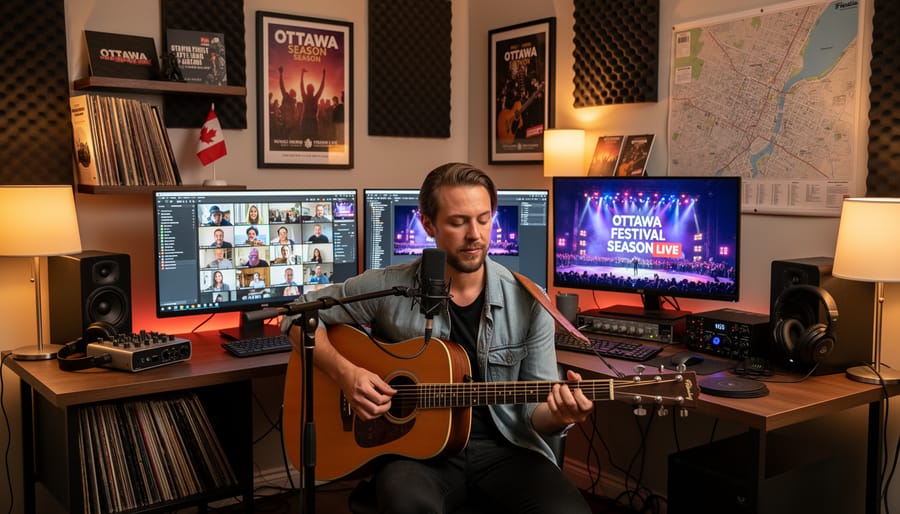
Virtual festivals operate on a fundamentally different timeline than traditional in-person events. Instead of requiring you to be at a specific location at an exact moment, digital formats introduce flexibility that reshapes how you plan and experience Ottawa’s cultural calendar.
The most significant difference is the extended viewing window. While an in-person concert might last two hours on one evening, virtual festivals often stretch access across days or weeks. SoundScape, for example, runs from August 27 to September 26, 2026, giving participants a full month to engage with content rather than forcing attendance on a single date. This extended timeline means you can fit festivals around your schedule instead of rearranging your life to accommodate them.
- Live-stream
- Real-time broadcast of performances or events that you watch as they happen, similar to television but accessed through internet platforms.
- On-demand window
- The period after a live event during which recorded content remains available for viewing at your convenience, often lasting days or weeks.
- Hybrid format
- Events that combine physical installations or performances with virtual access options, like the Infinite Sunshine display (5 PM, 8 PM viewing under Plaza Bridge) paired with SoundScape’s digital components.
- Digital ticket access
- Online reservation systems that grant you entry to virtual content through a link or login rather than a physical ticket at a venue entrance.
Time-zone flexibility becomes a major advantage. If a performance streams live at 8 PM Eastern, but you’re more alert in the morning, you can often catch the replay. You’re not locked into the moment it happens. This matters particularly for international participants or anyone with unconventional schedules.
On-demand content availability varies by festival. Some events offer immediate replays, while others release recordings days later. Check each festival’s specific policies through their reservation systems, SoundScape uses a dedicated platform at that outlines access windows when you book. This advance knowledge helps you decide whether to clear your calendar for a live experience or plan to catch up later.
Factors That Shift Virtual Festival Timing
Weather and Seasonal Considerations
Ottawa’s hybrid festival landscape peaks in late summer and early fall because organizers coordinate outdoor and virtual elements around the region’s most reliable weather. From late August through September, temperatures typically range from 15°C to 23°C with lower humidity and fewer sudden storms than mid-summer, making this window ideal for installations like Infinite Sunshine, which requires stable conditions for its 5 PM to 8 PM viewing window under the Plaza Bridge from August 29 to September 24, 2026.
SoundScape’s scheduling from August 27 to September 26 exemplifies this strategy. The festival synchronizes its virtual programming with outdoor components during a period when participants can comfortably engage with physical elements without extreme heat or early darkness compromising the experience. By September, sunset moves earlier but still accommodates evening installations, while cooler temperatures keep equipment stable and audiences comfortable.
Virtual components offer weather-proof alternatives when conditions shift unexpectedly, but organizers still choose dates that maximize the chance for hybrid participation, explaining why few major hybrid festivals run during Ottawa’s winter months or the unpredictable spring season.
Artist Application and Registration Deadlines
For artists hoping to showcase their work at Ottawa’s virtual and hybrid festivals, early application deadlines are non-negotiable. INDIE WEEK 2026 closes artist applications on July 31, 2026, more than three months before the festival runs November 12-14. This advance cutoff allows organizers to curate lineups, coordinate schedules, and finalize promotional materials well before the event begins.
Missing these deadlines means missing the festival entirely. Application windows close firmly, and late submissions typically aren’t reviewed once programming decisions are made. The $20 plus HST application fee for INDIE WEEK represents your entry point into the selection process, not a guarantee of acceptance, so submitting early demonstrates professionalism and gives you maximum consideration.
Beyond artist applications, audience members should track registration or ticket reservation timelines. SoundScape’s reservation system, for example, helps manage capacity for both virtual and in-person components. Waiting until the last minute can mean discovering that viewing slots or virtual access codes are fully booked, particularly for popular installations or performances.
The key is marking application deadlines in your calendar the moment festivals announce them, then submitting materials weeks ahead of the cutoff rather than hours before it closes.
Ticket Reservation and Access Windows
Virtual festival ticketing works differently than traditional event access, and understanding the reservation windows can mean the difference between joining an experience and watching it pass by. Most Ottawa virtual festivals use timed registration systems rather than instant-access tickets, giving you a specific entry point while organizers manage capacity and streaming quality.
SoundScape’s approach illustrates how these systems typically operate. The festival uses an online reservation platform where you select your preferred viewing times for specific installations and performances. Because experiences like Infinite Sunshine have limited daily windows (5 PM to 8 PM during its run from August 29 to September 10 and September 14 to September 24, 2026), you need to reserve your spot days or even weeks ahead, especially for weekend slots that fill quickly.
The key timing consideration: reserve as soon as tickets open. Many virtual festivals release access in batches, opening registration 30 to 60 days before the event starts. Late registrants often face restricted viewing times or waitlists, even for digital events. Check festival websites weekly starting two months out, and sign up for email notifications so you catch the exact moment reservations go live. For multi-day events running late August through September, mid-July is typically when ticketing begins.
How to Plan Your Virtual Festival Experience
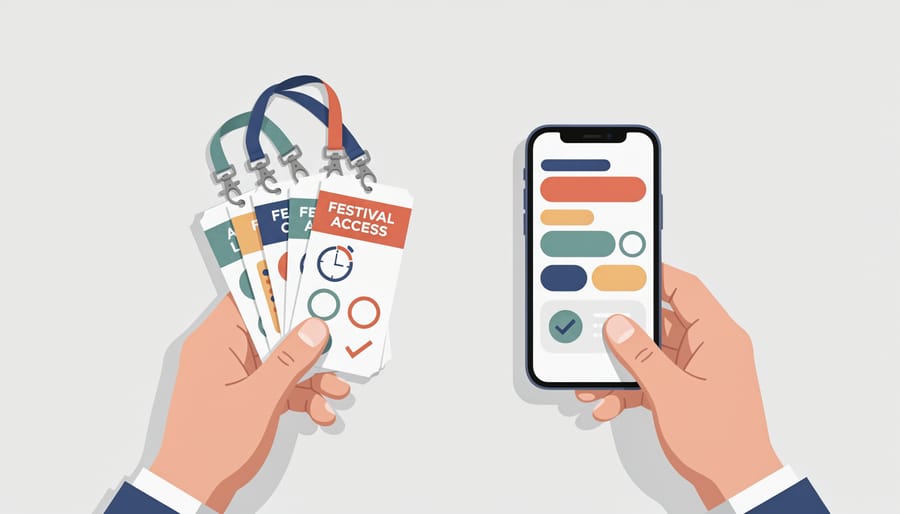
Planning your virtual festival experience requires strategic timing at each stage. Ottawa’s virtual festivals offer flexibility, but knowing when to act ensures you don’t miss opportunities to engage with your favorite artists and cultural events.
Start by mapping out festival seasons early in the year. Check festival websites and social media in January and February for initial announcements. Major events like SoundScape and INDIE WEEK typically confirm their dates months in advance, giving you time to clear your schedule. Sign up for newsletters from Ottawa’s main festival organizers to receive early-bird alerts before general announcements.
Here’s how to time each stage of your festival participation:
- Research and shortlist (3-4 months before festival season): Browse confirmed 2026 dates, SoundScape runs August 27 to September 26, INDIE WEEK is November 12-14, Escapade Festival spans June 26-28, and identify which events align with your interests and availability.
- Mark artist application deadlines (if you’re performing): INDIE WEEK’s July 31, 2026 deadline is typical; apply 2-3 weeks early to address any technical issues with your submission materials.
- Reserve access early (4-6 weeks before): Virtual events like SoundScape use reservation systems to manage capacity. Book through official channels as soon as ticketing opens, popular time slots fill quickly even for digital events.
- Set up your viewing environment (1 week before): Test your internet connection, audio equipment, and streaming platform access. Download required apps and create accounts in advance rather than during the opening performance.
- Plan hybrid elements (2-3 days before): If attending physical components like the Infinite Sunshine installation (5 PM, 8 PM viewing window), coordinate your in-person visit with virtual sessions you don’t want to miss.
- Build post-festival engagement time: Schedule an hour after events end to connect with other attendees online, share your experience, or even run a community workshop based on what you learned.
For festivals with on-demand components, prioritize live sessions where you can interact with artists through Q&As or chat features. These real-time experiences create community connections that recorded content can’t replicate. Block calendar time specifically for these live moments rather than treating them as “watch whenever” background activities.
Check for early-bird pricing windows, typically opening 6-8 weeks before festival start dates. Virtual access often costs less than in-person tickets, but discounts disappear as events approach. Set reminders for ticket releases to capture the best rates.
Behind the Scenes: What Goes Into Festival Timing Decisions
Choosing the right dates for a virtual festival involves far more complexity than circling a weekend on the calendar. Ottawa organizers juggle venue availability, artist touring schedules, technical infrastructure, and the rhythm of the city’s cultural calendar. For hybrid events, coordinating physical installations like Infinite Sunshine’s 5 PM to 8 PM viewing window with digital performances requires precise timing that maximizes both in-person attendance and online engagement.
Festival directors start planning twelve to eighteen months ahead, mapping major dates to avoid overlap with competing events while capturing optimal audience attention. Summer and early fall emerge as preferred windows because families have more flexibility and outdoor elements enhance the virtual experience, but this creates fierce competition for technical crews and streaming platforms. Virtual components add another layer: organizers must account for server capacity during peak simultaneous viewing and ensure global accessibility across time zones.
Local volunteer coordinator Sarah Chen notes, “We learned that launching artist applications in late July for November events gives performers enough notice without losing momentum. Early deadlines like INDIE WEEK’s July 31 cutoff help us finalize schedules and technical requirements months ahead, which is essential when coordinating dozens of virtual performances.”
Budget constraints also shape timing decisions. Stretching festivals across multiple weeks, like SoundScape’s month-long August 27 to September 26 run, spreads costs while maintaining audience engagement. This approach mirrors strategies used to plan an advocacy workshop over extended periods, building community participation gradually rather than demanding intense, short-term commitment from organizers and attendees alike.
After the Festival: Staying Connected Year-Round
The festival may end, but your connection to Ottawa’s virtual arts scene doesn’t have to. Most virtual festivals archive select performances and talks for weeks or months after the live dates, giving you a second chance to catch what you missed or rewatch favorite moments. Check the festival’s official website and social channels in the days following the event, many organizers send follow-up emails to ticket holders with exclusive access links to recorded content. SoundScape and INDIE WEEK, for instance, often make curated highlights available for a limited window post-festival.
To stay in the loop for next year’s dates and early-bird ticket releases, subscribe to festival newsletters and follow their social media accounts. Most Ottawa festivals announce preliminary dates six to twelve months in advance, and newsletter subscribers typically get first access to tickets and special discounts. Set a calendar reminder for key windows like late spring for summer festival announcements and early summer for fall events.
Volunteering offers a deeper way to stay connected between festivals. Many organizers recruit volunteers year-round for planning committees, advocacy workshop facilitation, and next-edition logistics. Volunteering not only gives you behind-the-scenes insight into how festivals come together but often includes perks like free access and exclusive artist meet-and-greets.
Here are practical ways to remain engaged with Ottawa’s virtual festival community year-round:
- Join festival-specific Discord servers or Facebook groups where attendees share recommendations and organize local meetups
- Attend post-festival virtual discussions and artist Q&A sessions that many events host in the weeks following their main dates
- Support featured artists by streaming their music, attending their standalone virtual shows, and following their social channels
- Participate in planning surveys and feedback sessions that festivals circulate to shape future programming
Between major events, keep an eye on Ottawa’s broader cultural calendar. Smaller virtual showcases, artist livestreams, and community gatherings happen throughout the year and often feature performers you discovered at the larger festivals, creating continuity in your experience.
Frequently Asked Questions About Virtual Festival Timing
Do not use this heading in your output
Virtual festival timing raises different questions than traditional in-person events. Many Ottawa residents and remote participants want clear answers about access windows, ticketing, and flexibility before committing to digital experiences.
Are Ottawa’s virtual festivals live events or can I watch on-demand?
Most Ottawa virtual festivals offer a mix of both formats. SoundScape, running August 27 to September 26, 2026, provides scheduled live performances with some on-demand access after the event concludes. Always check the specific festival’s platform for replay availability and viewing windows.
When should I secure tickets or reservations for virtual festivals?
Book as soon as registration opens, especially for popular events with capacity limits on virtual streams. For SoundScape 2026, use the ticket reservation system once available, and for festivals like INDIE WEEK (November 12-14, 2026), artist applications close July 31, 2026, well before the event.
What if I’m in a different time zone from Ottawa?
Virtual festivals typically accommodate multiple time zones through recorded sessions or extended access periods. Check whether the platform offers time-shifted viewing or replays, particularly for festivals running over several weeks like SoundScape’s month-long schedule.
Can I still participate if I miss the live festival dates?
Some organizers archive performances for later viewing, though access windows vary by event. Contact festival organizers directly about post-event access, and follow their social media channels for announcements about extended viewing periods or future screenings that bring your community to action around shared cultural experiences.
Understanding these timing details helps you plan your virtual festival participation without stress. Most Ottawa festivals design their digital platforms with flexibility in mind, recognizing that remote audiences span different schedules and commitments. If you have specific timing concerns about a particular festival, reach out to organizers early, they often accommodate questions about access windows and can clarify what content remains available after live events conclude.
Key Takeaways: Timing Your Virtual Festival Experience
Plan your festival participation around the late summer through fall window when most virtual and hybrid events concentrate. SoundScape’s month-long run gives you flexibility to experience performances across multiple dates, while shorter events like Cloud 9 on September 11 require precise scheduling. Mark artist application deadlines if you’re a performer, INDIE WEEK’s July 31, 2026 cutoff comes months before the November festival, similar to how workshop planning requires advance coordination.
Virtual access eliminates travel constraints and weather concerns that affect in-person attendance. You can join Cloud 9’s electronic music streams from anywhere, or reserve tickets for SoundScape’s outdoor Infinite Sunshine installation (5 PM, 8 PM viewing) without worrying about sold-out venues. Many festivals archive performances for later viewing, letting you catch what you missed during live broadcasts.
Stay connected to Ottawa’s festival community through organizer mailing lists and social media channels. New virtual events get added throughout the year, and early announcements give you first access to limited-capacity hybrid experiences. Subscribe to festival updates in winter and spring to catch registration windows before they fill.
Ottawa’s virtual and hybrid festival scene has transformed how we experience the city’s cultural heartbeat. Whether you’re marking your calendar for SoundScape’s month-long run in late summer, catching Cloud 9’s electronic and eco-art fusion in September, or connecting with emerging artists at INDIE WEEK in November, these digital experiences bring Ottawa’s creative energy directly to you. The beauty of virtual festivals lies in their accessibility, you can participate from anywhere, revisit performances through recorded content, and engage with artists and fellow attendees without the constraints of physical attendance.
As you plan your 2026 festival calendar, remember that these events are more than entertainment. They support local artists, foster community connections across distances, and keep Ottawa’s cultural fabric thriving. Check organizers’ websites regularly for newly announced events, set reminders for early-bird ticket releases, and consider volunteering or applying as an artist if you want deeper involvement. Ottawa’s festival community welcomes everyone, and your participation, whether attending one event or becoming a year-round supporter, strengthens the city’s reputation as a hub for innovative, inclusive cultural experiences. Start exploring what’s coming up, and discover how virtual festivals can enrich your connection to Ottawa’s arts scene.