

Preparing a successful car show for Ottawa’s summer festival season takes six to eight weeks and requires coordinating permits, vendor logistics, safety protocols, and promotion well before the first vehicle arrives. The key is working backward from your event date to secure City of Ottawa special event permits at least 45 days in advance, confirming insurance coverage, and building a checklist that covers everything from traffic cones to volunteer schedules.
Ottawa’s vibrant summer calendar means you’re competing for attention alongside dozens of Ottawa festivals so early preparation separates memorable shows from last-minute scrambles. Whether you’re organizing a classic car display in a community park or a judged competition at a larger festival grounds, the planning sequence stays the same: lock in your venue and permits first, recruit judges and volunteers second, then tackle layout, safety barriers, and participant registration.
Summer weather adds another layer. You’ll need contingency plans for sudden rain, shade structures for spectators, and water stations for both attendees and exhibitors. Local car clubs and past organizers consistently say the difference between a smooth event and a stressful one comes down to preparation checklists and dress rehearsals. This guide walks you through the materials you’ll need, the safety obligations you can’t skip, and the verification steps that confirm you’re ready before gates open.
What You’ll Need: Essential Tools, Materials, and Resources
Organizing a successful car show for Ottawa’s summer festival season requires careful preparation and the right combination of paperwork, physical materials, and community partnerships. Before you draft your first timeline or reach out to a single car club, you need to assemble a comprehensive planning kit that covers legal requirements, logistical tools, and promotional assets.
Start with the foundational documents. You’ll need to secure Ottawa permits and licenses well in advance, including special event permits and any necessary road closure or park use approvals. General liability insurance certificates are non-negotiable, most venues and the City require at least two million dollars in coverage. Gather vendor agreements for food trucks, merchandise sellers, and entertainment acts, along with signed waivers from all car exhibitors. For parking logistics, you’ll need site plans that show traffic flow, designated entry and exit points, and accessible parking zones.
Behind the scenes, veteran organizers rely on digital coordination tools. Tom Arsenault, who ran the Barrhaven Classic Car Cruise for five years, notes: “We switched to a shared online spreadsheet for volunteer shifts and exhibitor check-in, and it cut our day-of confusion in half. Everyone could see updates in real time, and we weren’t scrambling with clipboards.”
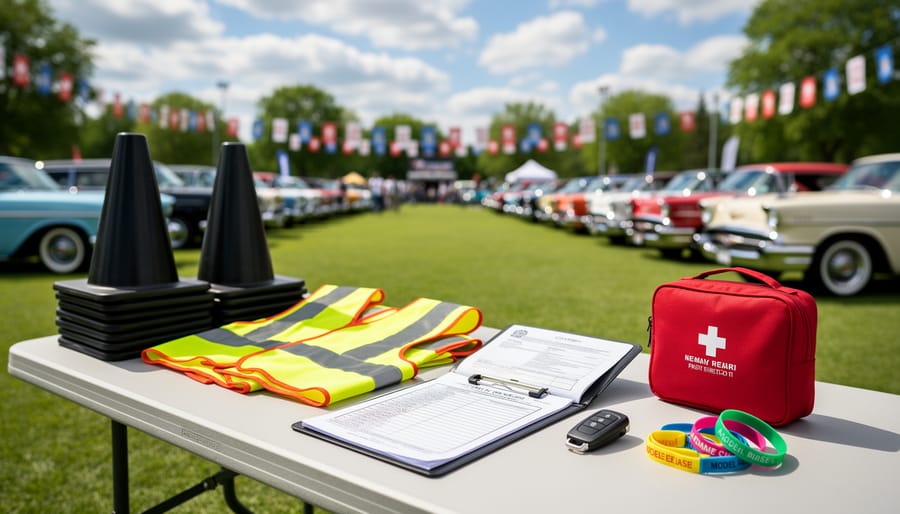
Your material checklist should include:
- Registration systems, tablets or laptops with pre-loaded participant lists and backup paper forms
- Signage materials, directional signs, category placards, sponsor banners, and parking instructions printed on weather-resistant stock
- Safety barriers and pylons to define pedestrian zones and keep crowds clear of vehicles
- Timing equipment if you’re hosting a judging component or awards ceremony
- First aid kits, fire extinguishers, and spill containment materials for fuel or fluids
- Promotional assets, social media graphics, posters for community boards, and press release templates
- Display materials like tables, tents, and ropes for organizing judging categories or showcasing car paint protection products if you partner with local detailing sponsors
Finally, cultivate relationships with local sponsors and community groups. Approach Ottawa car clubs, local businesses, and cultural organizations early. They can provide financial support, volunteers, promotion through their networks, and credibility within the community. A strong partnership roster transforms a one-off event into a festival tradition that residents mark on their calendars year after year.
Safety First: Critical Warnings and Risk Management
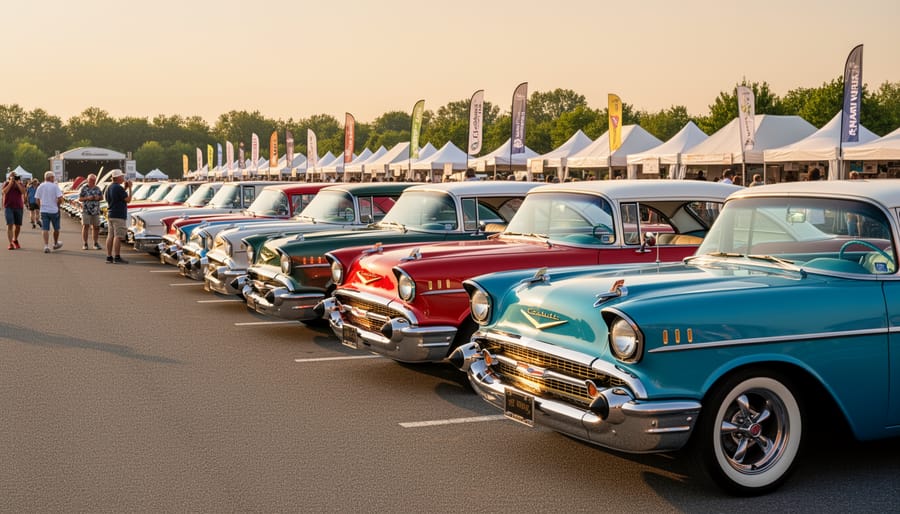
A successful car show creates excitement and community spirit, but none of that matters if someone gets hurt. Safety isn’t optional, it’s the foundation that lets everyone relax and enjoy the event. Ottawa’s summer heat, large crowds, and the presence of vehicles and fuels demand careful planning and clear protocols.
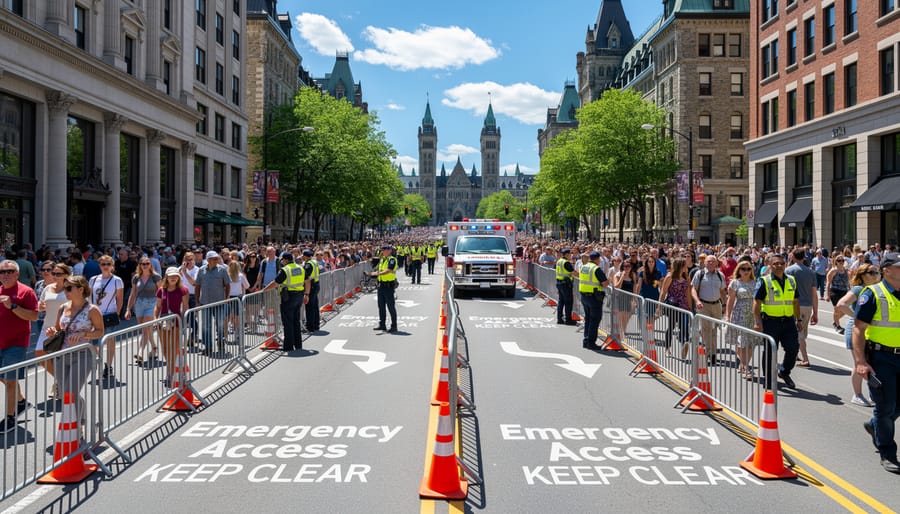
Start with crowd control. Designate clear pedestrian lanes, use barriers or ropes to separate spectators from vehicles, and post volunteers or security staff at key points. Mark emergency vehicle access routes with cones and signage, and keep those paths completely clear throughout the day. Confirm with Ottawa Fire Services and paramedics that they know your site layout and can reach any corner of the venue quickly.
Heat is a serious concern in July and August. Follow extreme heat safety guidance by setting up shaded rest areas, providing free drinking water, and posting heat advisory signs if Environment Canada issues warnings. Staff a first aid station with trained personnel, ice packs, and communication equipment. Encourage participants and spectators to take breaks, wear sunscreen, and watch for signs of heat exhaustion in others.
Fuel and fluid spill protocols are non-negotiable. Keep absorbent pads, spill kits, and fire extinguishers on hand, and train volunteers to respond immediately to leaks or spills. Position extinguishers near high-traffic areas and any fuel-transfer zones. Ban smoking near vehicles and post clear no-smoking signs.
Accessibility compliance ensures everyone feels welcome. Provide accessible parking close to the venue entrance, ensure pathways are wide and free of obstacles, and offer accessible washrooms and seating. Check that your signage uses clear fonts and high contrast. This inclusivity strengthens community connections and aligns with the values reflected in our event directory.
Finally, have a weather contingency plan. Monitor forecasts closely and decide in advance at what point you’ll pause, relocate, or cancel. Communicate that plan to all stakeholders so everyone knows what to expect if conditions turn. Safety done right doesn’t just prevent disasters, it builds trust and makes your event a place people want to return to year after year.
Step-by-Step: Your Car Show Planning Timeline
Six Months Before: Lay the Groundwork
Six months out is when you turn “we should do a car show” into a real plan. Start by locking in your venue, popular Ottawa spots like Lansdowne Park, Vincent Massey Park, or municipal parking lots book fast for summer weekends, so reach out to facility managers now. Visit the site in person to confirm it can handle your expected vehicle count, spectator flow, and vendor setup.
Next, draft a working budget. List everything: venue rental, permit fees (City of Ottawa application fees typically run a few hundred dollars), insurance, porta-potties, signage, volunteer meals, marketing, and a contingency fund for weather surprises or last-minute needs. Be realistic about sponsorship revenue and registration fees, overestimating income is a common pitfall.
Apply for your City of Ottawa special event permit immediately. The process takes weeks, sometimes months, and you’ll need liability insurance before approval. Form your organizing committee at the same time: assign clear roles (logistics lead, volunteer coordinator, marketing point person) so no one’s scrambling later.
Finally, start courting sponsors. Local dealerships, auto parts suppliers, and community businesses often support car culture events. A personalized pitch explaining your expected attendance and community impact goes much further than a generic email blast.
Three Months Before: Build Momentum
Three months out, it’s time to open the doors and generate buzz. Launch your online registration system so car owners can sign up, keep the form simple (vehicle details, owner contact, preferred category) and share the link across local car clubs, Facebook groups, and Ottawa community boards. Confirm your food vendors, entertainment acts, and any specialty exhibitors; send deposit invoices and finalize contracts now to avoid last-minute cancellations. Recruit volunteers by reaching out to high school co-op programs, university clubs, and neighbourhood associations, aim for enough people to cover registration desks, parking direction, setup crews, and roving ambassadors. Finalize your insurance policy with the City of Ottawa and your insurer; upload the certificate to your permit file immediately. Kick off your marketing campaign: post regularly on social media, distribute posters to cafés and community centres, pitch stories to local media, and consider guest posting on festival blogs to reach wider audiences. This phase builds momentum, every confirmed participant, vendor, and volunteer strengthens the event’s credibility and draws more people in.
One Month Before: Finalize Details
With one month to go, shift from planning to execution mode. This is when loose ends get tied up and momentum builds toward event day.
Start by confirming your participant count. Send a final registration reminder to car clubs and individual exhibitors. Lock down your numbers so you can finalize your site layout, knowing you have forty classics versus a hundred makes a huge difference in spacing, parking flow, and crowd management. Update your registration system and communicate any last details: arrival times, display categories, where participants should enter.
Arrange signage next. Order directional signs for parking, registration, spectator areas, washrooms, first aid, and vendor zones. Don’t forget banners with sponsor logos and a prominent welcome sign at the entrance. Many Ottawa print shops can turn this around in a week if you provide clean files.
Schedule volunteer shifts now. Assign people to registration tables, parking coordination, crowd control, judging support, and information booths. Confirm shifts two weeks out and send a final reminder three days before the show. A well-briefed volunteer team makes everything smoother.
Coordinate with Ottawa Police Services and emergency responders. Share your site plan, confirm road closures or traffic control, and provide emergency contact lists. Some festivals require a formal meeting; others accept email coordination.
Finally, ramp up promotion. Post daily countdowns on social media, share participant highlights, engage local influencers, and reach out to community radio stations and Ottawa event calendars. This month is when excitement peaks.
Event Week and Day-Of: Execute Smoothly
The week of your car show, walk the venue with your core team to verify access points, confirm power sources, and mark out zones for registration, displays, vendors, and emergency lanes. Brief all volunteers at least two days before the event so everyone understands their role, knows the site layout, and has emergency contacts.
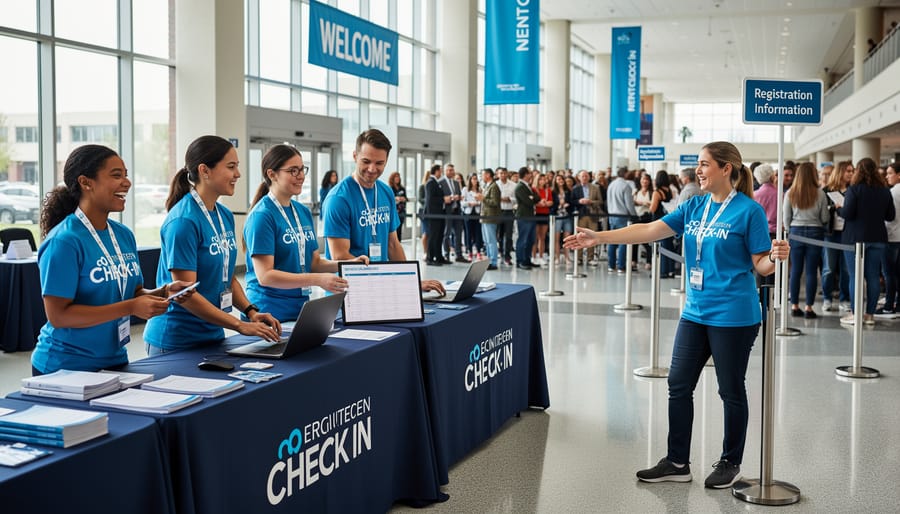
On event day, arrive early to set up barriers, signage, and registration booths before participants show up. Assign volunteers to direct incoming cars, check registrations, and guide exhibitors to their spots, clear parking flow prevents bottlenecks and keeps everyone calm. Keep your site plan and volunteer roster handy for quick adjustments.
As attendees arrive, circulate to greet participants, answer questions, and troubleshoot on the fly. If you’re running judging or awards, stick to your schedule and communicate categories clearly. Monitor crowd size, watch for heat-related issues, and stay in touch with your first aid and security team via radio or phone.
Keep a solution-focused mindset: weather shifts, no-shows, and minor hiccups happen. Your calm presence and responsive volunteers turn potential problems into smooth recoveries, ensuring everyone enjoys the day.
Post-Event: Wrap Up and Reflect
The car show may be over, but your work isn’t quite done. Within a week, send personalized thank-you emails to every participant, vendor, and volunteer, acknowledge specific contributions when you can. It makes people want to come back next year. Launch a quick online survey (five questions max) to capture fresh impressions: what worked, what fell short, what they’d like to see improved. While memories are sharp, sit down with your organizing committee and document what actually happened versus what you planned. Note the hiccups, the pleasant surprises, the vendors who delivered, the timeline gaps. Reconcile your budget against actual expenses and revenue, then file any required post-event reports with the City of Ottawa and your insurance provider. Archive all contracts, permits, and contact lists in one folder. This debrief becomes your roadmap for next summer, and trust me, you’ll forget the details if you wait.
Verification and Next Steps: How to Know Your Show Is Ready
Your car show is ready to launch when you can confidently check every box on your readiness list. Start with the non-negotiables: all City of Ottawa permits approved and displayed, comprehensive liability insurance active and certificates distributed to key volunteers, and your site plan signed off by both the venue manager and municipal authorities. Emergency contacts should be printed, laminated, and distributed to every team lead, fire, police, first aid, venue security, and your own volunteer coordinators.
Next, confirm your team is prepared. Every volunteer should have attended a briefing (in person or via video call), received their role assignment and shift schedule, and know who to contact for each type of issue. Your registration system must be tested and live, with participant confirmations tracked and parking assignments mapped out. Marketing should be active across social media, local event boards, and community newsletters, with posters visible in high-traffic areas and registration numbers climbing.
Walk your venue three days before the show. Look for access issues, check barrier placements, confirm power sources for registration tents and sound systems, and verify that signage will be visible from key entry points. If something feels off, trust your instinct and fix it now.
Connect with Ottawa’s festival community for mentorship. Reach out to organizers of established events like Lansdowne car meets or community festivals in Kanata and Barrhaven, they have been through launch day jitters and can offer perspective. “The best advice I got was to build in an extra hour for setup,” says Marielle Turcotte, a volunteer coordinator for a summer car show in Orléans. “Things always take longer than you think, and that buffer saved us from scrambling when the first cars arrived.”
Once your checklist is complete, take a breath. You have done the work. Now it is time to welcome your community and celebrate.
Frequently Asked Questions About Car Shows in Ottawa
Do I need a special permit for a car show in Ottawa?
Yes. Most car shows require a special events permit from the City of Ottawa, especially if you’re using public property, closing streets, or expecting more than 100 attendees. Start your application at least 60 days before your event date, and be prepared to provide site plans, insurance certificates, and a safety plan.
How far in advance should I book a venue?
For popular outdoor spaces during summer, aim for six to eight months ahead. Ottawa’s festival season runs hot from June through August, and prime locations like community park pavilions or waterfront areas get snapped up quickly by returning events.
What’s the best time of summer for a car show?
Late June through early September offers the most consistent weather, though July and August bring the biggest crowds. Check the city’s festival calendar so you’re not competing with major events like Bluesfest or the Canadian Tulip Festival wrap-up, unless you want to piggyback on that foot traffic.
How do I attract participants and spectators?
Connect with local car clubs early, promote through Ottawa-focused social media groups, and partner with community radio stations. Word-of-mouth is huge in the capital’s tight-knit car community, and a well-placed post in neighbourhood Facebook groups can drive serious attendance.
What if it rains on event day?
Have a weather contingency plan in your permit application. Options include a rain date, tents for participants, or moving activities to a covered pavilion if your venue offers one. Clear communication with registered participants a day or two before helps everyone adjust expectations.
Can I charge admission?
Absolutely. Many organizers charge a modest entry fee or suggested donation to cover costs, and it contributes to Ottawa’s festival economy. Just make sure your permit reflects any ticketing or gates, and consider offering free admission for kids to keep the event family-friendly and inclusive.
These questions come up at nearly every planning meeting, and the answers are simpler than most first-time organizers expect. The City of Ottawa staff are genuinely helpful once you reach out, and tapping into the festival community early means you’ll have mentors who’ve navigated the same process. Don’t let permit paperwork or weather worries hold you back, thousands of successful summer events happen here every year, and yours can be next.
Organizing a car show for Ottawa’s summer festival season is more than logistics and permits, it’s about bringing people together around a shared passion for automotive culture. These events strengthen neighbourhood connections, showcase local talent, and add vibrancy to our capital’s already-rich festival calendar. They create memorable experiences for families, enthusiasts, and visitors while supporting local businesses and charities.
You’ve now got the roadmap. Start with one conversation, one permit application, one email to a potential sponsor. The Ottawa festival community thrives on collaboration, and there’s always room for fresh voices and new events. Whether you’re planning your first show or refining an annual tradition, your effort contributes to what makes summer in Ottawa special.
Need a hand getting started? Reach out to established car clubs, connect with past organizers, or join a volunteer team at an upcoming show. The best way to learn is by participating. Ottawa’s car show community is welcoming, supportive, and ready to help you succeed. Let’s make this summer’s lineup even better together.